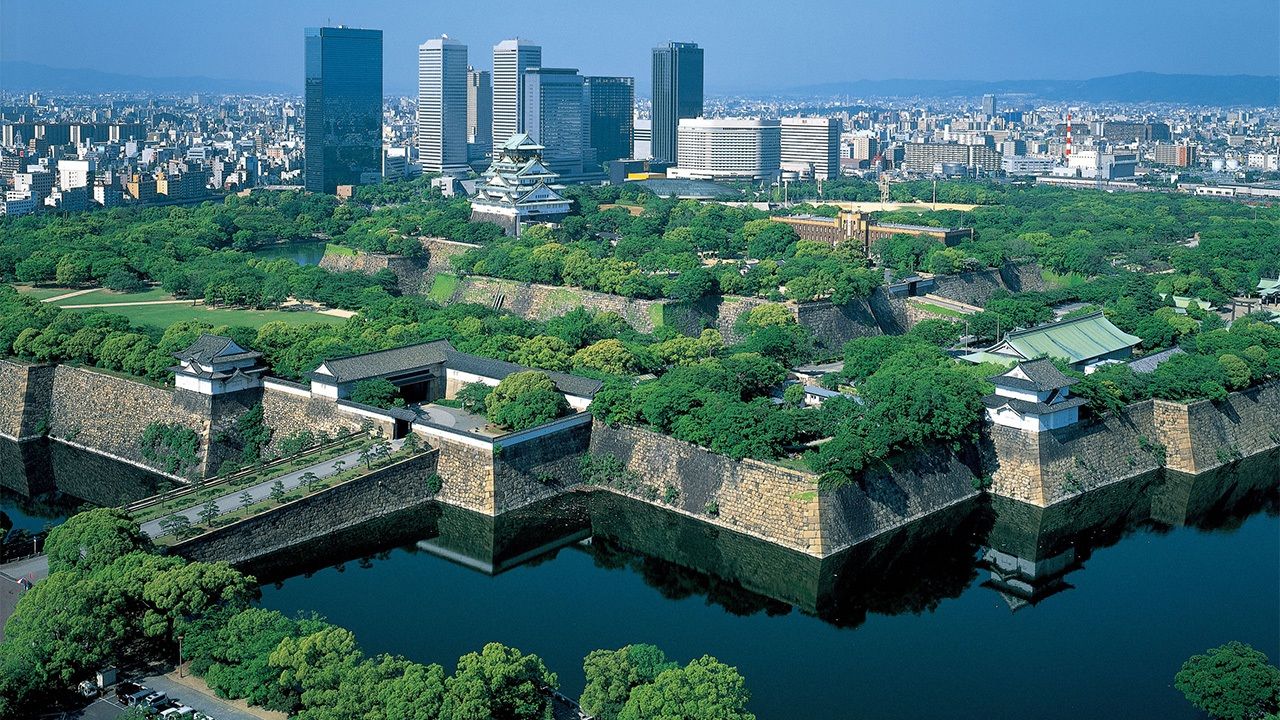
Osaka was the "Kitchen of the Realm"—the commercial hub that fed Edo and financed the samurai economy. While Edo consumed, Osaka traded. Rice from every domain passed through its warehouses, converted into credit instruments that were effectively the world's first futures contracts. The merchant houses of Osaka invented financial techniques that wouldn't appear in Europe for another century.
Kobe, just down the bay, tells a different story. Opened as a treaty port in 1868, it became Japan's window to the West—a place where foreign merchants built mansions on the hills and Japanese entrepreneurs learned the methods of international trade.
At Your Table
Osaka earned its title tenka no daidokoro—"the nation's kitchen"—not merely because food was traded here, but because the merchant class developed an entire culture around eating well. Unlike Edo, where samurai values officially disdained commerce, Osaka's townspeople celebrated wealth openly and devoted considerable resources to the pleasures of the table. The elaborate multi-course meals of Kyoto were refined here into something more direct and satisfying: hearty, flavorful food meant to fuel the commercial energy of the city.
The city's konamon culture—literally "flour things"—reflects this practical sensibility. Okonomiyaki (savory pancakes), takoyaki (octopus balls), and countless variations on battered and grilled street foods developed as merchants and workers needed quick, filling sustenance that could be eaten standing between transactions. What began as functional food became culinary art, with regional pride attaching to slight variations in batter composition or sauce formulation.
Kobe beef, meanwhile, carries a more complex history than its current luxury status suggests. The cattle of the Tajima strain were originally draft animals; their remarkable marbling developed through breeding practices that prioritized endurance over meat production. It was the Meiji-era encounter with Western tastes that revealed the culinary potential of this unintended quality, transforming working animals into one of the world's most prized delicacies.
Cultural Encounters
The merchant city's architectural legacy survives in the kura—the fireproof storehouses with their distinctive white-plastered walls that once lined the canals. These warehouses, designed to protect valuable goods from Osaka's frequent fires, now house galleries, restaurants, and boutiques. The canals themselves, though reduced from their Tokugawa-era extent, still define neighborhoods like Dōtonbori, where neon now illuminates waters that once carried cargo boats from across Japan.
Bunraku puppet theater originated here in the seventeenth century, and Osaka remains its spiritual home. Unlike kabuki, which developed in Kyoto and Edo as actor-centered spectacle, bunraku privileges the puppets and the chanter's voice, a form of artistic expression arguably more suited to the merchant sensibility—technical mastery displayed without the ego of star performers. The National Bunraku Theatre continues a tradition that has been refined in Osaka for over three hundred years.
Kobe's Kitano-chō district preserves the foreign merchant residences—ijinkan—built after the port's opening. These Western-style houses, with their bay windows and weathervanes, represent one of Japan's first sustained encounters with European domestic architecture. Walking these streets, you move between mansions that housed American traders, German merchants, and Chinese compradors, each community leaving its architectural signature on the hillside above the port.
A Note from Your Expert
Osaka's character within Japan is distinctive—prouder, funnier, more direct than the restraint expected in Tokyo or the refinement cultivated in Kyoto. The city's merchants developed their own dialect, their own comedy traditions, and their own approach to life that persists today. When Osakans describe their city's values—kui-daore, "eat till you drop"—they're expressing something genuine about a place where pleasure and commerce have been intertwined for centuries.