Amami Ōshima occupies a distinctive position in the island chain's history. Once part of the Ryukyu Kingdom, the northern islands came under Satsuma domain governance after 1609, creating a new chapter in the island's economic and cultural development. A new border was drawn through waters and communities that had been unified for centuries, and the people of Amami found themselves integrated into a different administrative and commercial system.
The sugar economy transformed Amami's landscape and livelihoods under Satsuma domain governance. The island also became renowned for ōshima tsumugi, a mud-dyed silk textile that developed into one of Japan's most distinctive and sought-after crafts. Today, visitors can explore workshops where artisans continue this centuries-old tradition, watching the intricate processes that create textiles prized throughout Japan.
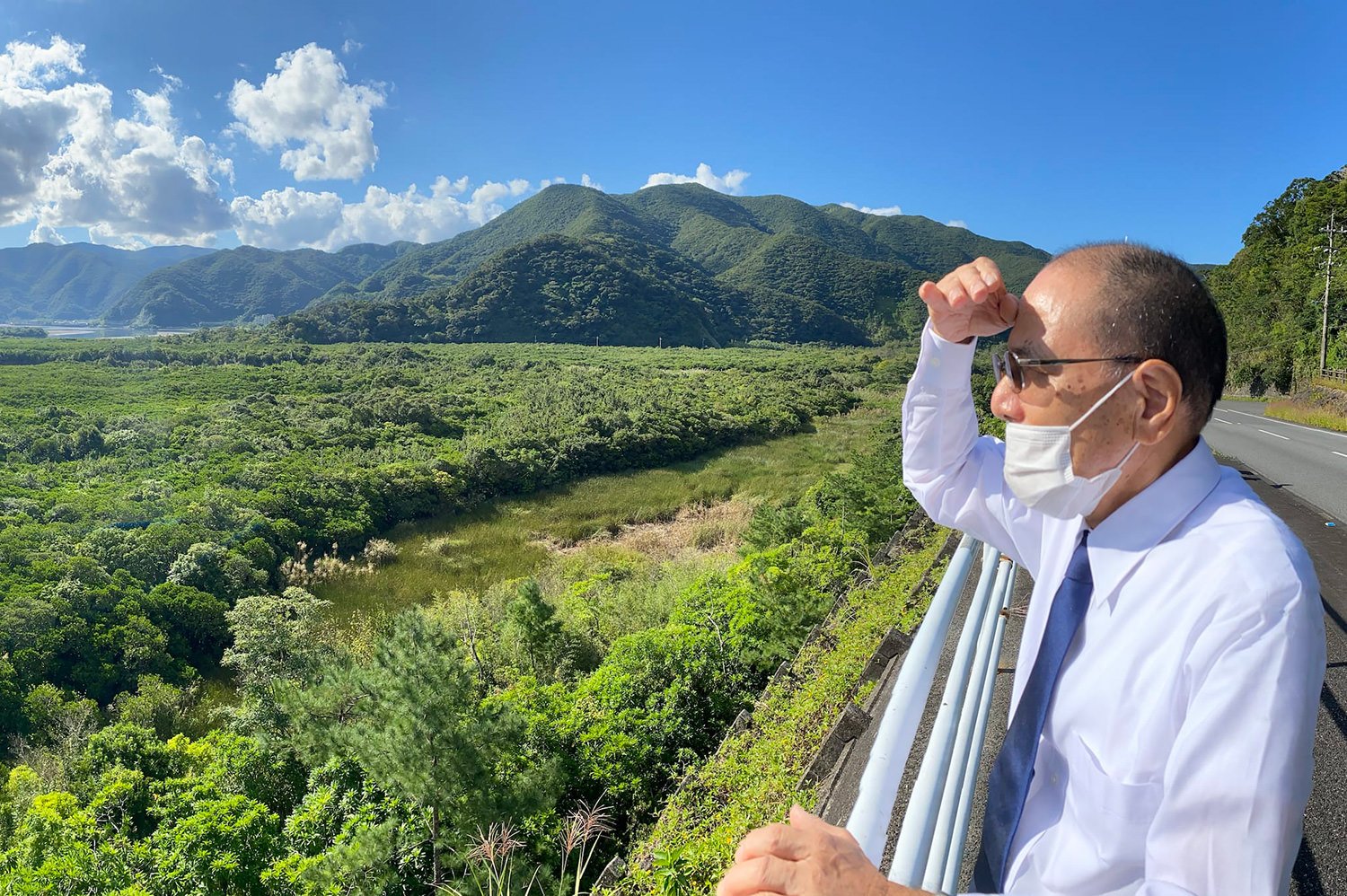
The island's natural beauty—subtropical forests, coral reefs, and traditional villages—offers a striking contrast to the urban ports elsewhere on this voyage. Amami's UNESCO World Heritage status (granted in 2021) recognizes both the island's unique biodiversity and its cultural distinctiveness within the broader Japanese archipelago.
At Your Table
Keihan—chicken rice—is Amami's signature dish, a bowl of rice topped with shredded chicken, pickled vegetables, and various condiments, then doused in a light chicken broth. The dish developed during the Satsuma period as an ingenious way to stretch limited protein—chicken could be raised on scraps; the broth extended each meal further. What began as practical necessity became beloved tradition, and today keihan appears on Amami tables for celebrations and everyday meals alike, its modest origins transformed into cultural heritage.
Brown sugar (kokutō) defines Amami's culinary identity. The dark, molasses-rich blocks produced here differ from refined sugar in ways that shape local sweets, beverages, and even savory dishes. Kokutō shōchū, distilled from brown sugar, is the island's distinctive spirit, legally permitted only in Amami among all of Japan—a geographic indication that preserves the connection between place and product that developed over centuries of production.
Miki—a fermented rice drink—represents an older layer of Amami food culture. Made from rice, sweet potato, and sugar, allowed to ferment into a sweet, slightly alcoholic beverage, miki is both refreshment and ritual offering. The drink connects contemporary islanders to practices that have persisted for generations, a thread of continuity through centuries of change.
Cultural Encounters
Ōshima tsumugi workshops offer windows into a textile tradition that has become a source of islander pride and economic value. The mud-dyeing process—immersing silk threads in iron-rich mud pits, then combining them with vegetable dyes to produce the characteristic deep brown-black—requires months of skilled labor. The patterns, the techniques, the very mud itself are tied to specific places on the island. What began as tribute demanded by Satsuma officials became, over centuries, a distinctive craft that visitors now travel specifically to experience.
The subtropical forests of Amami harbor species found nowhere else: the Amami rabbit, a "living fossil" descended from ancient Asian stock; the Amami woodcock; countless endemic plants and insects. The island's UNESCO World Heritage status recognizes this extraordinary biodiversity. The mangrove forests, the hiking trails through laurel groves, the night tours to spot endemic wildlife—all this represents nature tourism as a new chapter for islands that have cycled through different economic models over the centuries.
Amami's musical traditions carry a distinct sound within the broader Ryukyuan world—the shima-uta (island songs) that preserve histories, laments, and celebrations in the Amami dialect. The voice is central, often unaccompanied or with minimal sanshin support, the melodies built on scales and ornaments that differ from both Okinawan and Japanese mainland music. These songs, once performed at village gatherings and community celebrations, now draw visitors seeking authentic cultural experiences—another transformation that islanders navigate with varying degrees of enthusiasm.
A Note from Your Expert
Amami exists between worlds in ways that shape everything about the island. Neither quite Okinawan nor quite Kagoshiman, speaking a dialect that belongs to neither, Amami developed its own responses to the challenges of economic change and cultural preservation. The textile tradition, the music, the cuisine—all of these carry the marks of adaptation and innovation. Visiting Amami means encountering this complexity: traditions that persist and evolve, an island that has learned to make meaning from its position between larger histories, and a landscape of extraordinary natural beauty that increasingly draws visitors from around the world.