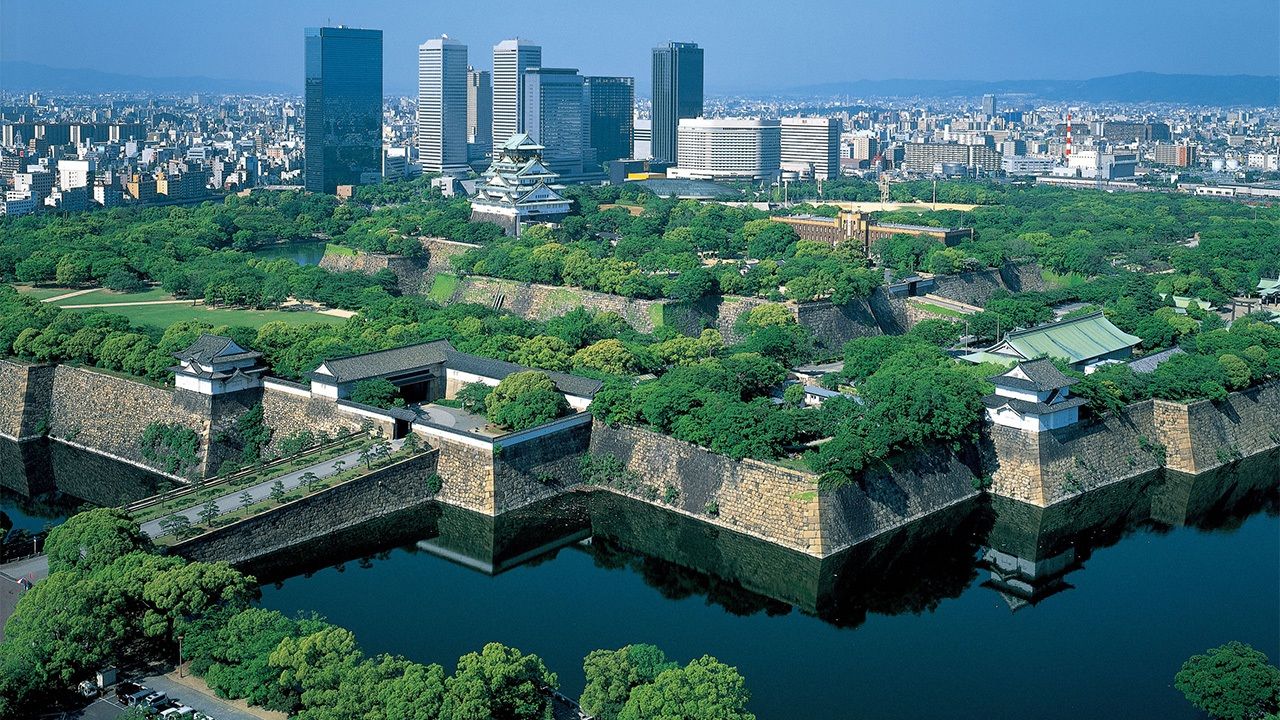
Osaka was the "kitchen of the nation"—the great marketplace where rice from every domain was traded, converted to cash, and distributed throughout Japan. The city's merchant houses financed the domain economies; its warehouses stored their goods; its commodity exchanges set prices that echoed across the archipelago. When Satsuma sugar arrived from Amami and Ryukyu, it was here that it found buyers.
Kobe, opened as a treaty port in 1868, became the gateway for foreign goods and foreign ideas. The foreign settlement, with its Western-style buildings and international residents, represented a different kind of commerce—one oriented toward global markets. Together, the twin ports of Osaka and Kobe embodied Japan's transformation from a segmented domain economy to an integrated national market oriented toward the world.
At Your Table
Returning to Osaka after sailing through the Ryukyu islands offers fresh perspective on the city's tenka no daidokoro identity. The merchant class that made Osaka Japan's food capital traded in products from across the nation—including the sugar from Amami and silk from Ryukyu that flowed through Satsuma's commercial networks. The culinary traditions we encounter here were built, in part, on commodities that traveled routes we have just traced.
Osaka's konamon culture—okonomiyaki, takoyaki, and their endless variations—represents a merchant city's approach to food: direct, satisfying, without the aristocratic pretensions of Kyoto cuisine. The city's famous claim to kui-daore ("eat till you drop") expresses an attitude toward pleasure that the samurai elite officially disdained but that made Osaka the liveliest city in Tokugawa Japan.
Cultural Encounters
Arriving in Osaka from Kagoshima, having traced the route that Satsuma sugar once traveled, the city's commercial architecture takes on new meaning. The kura warehouses that line the canals stored goods from across Japan—rice from Niigata, silk from Nishijin, sugar from Satsuma's island networks. The financial instruments developed by Osaka merchants to manage this trade anticipated modern derivatives by two centuries.
A Note from Your Expert
Our journey has traced the arc from Hong Kong's global trading hub through the island chains that connected empires to Japan's commercial heart. Osaka was where all these routes converged—where Satsuma sugar met Edo consumption, where island products entered national markets, where the wealth of the maritime world was counted and converted. Standing in the merchant city after sailing the Ryukyu arc, you see the system from a different angle: not just a Japanese market, but the terminus of trade routes that reached to China, Southeast Asia, and beyond.