The Satōsei: Satsuma's Sugar System
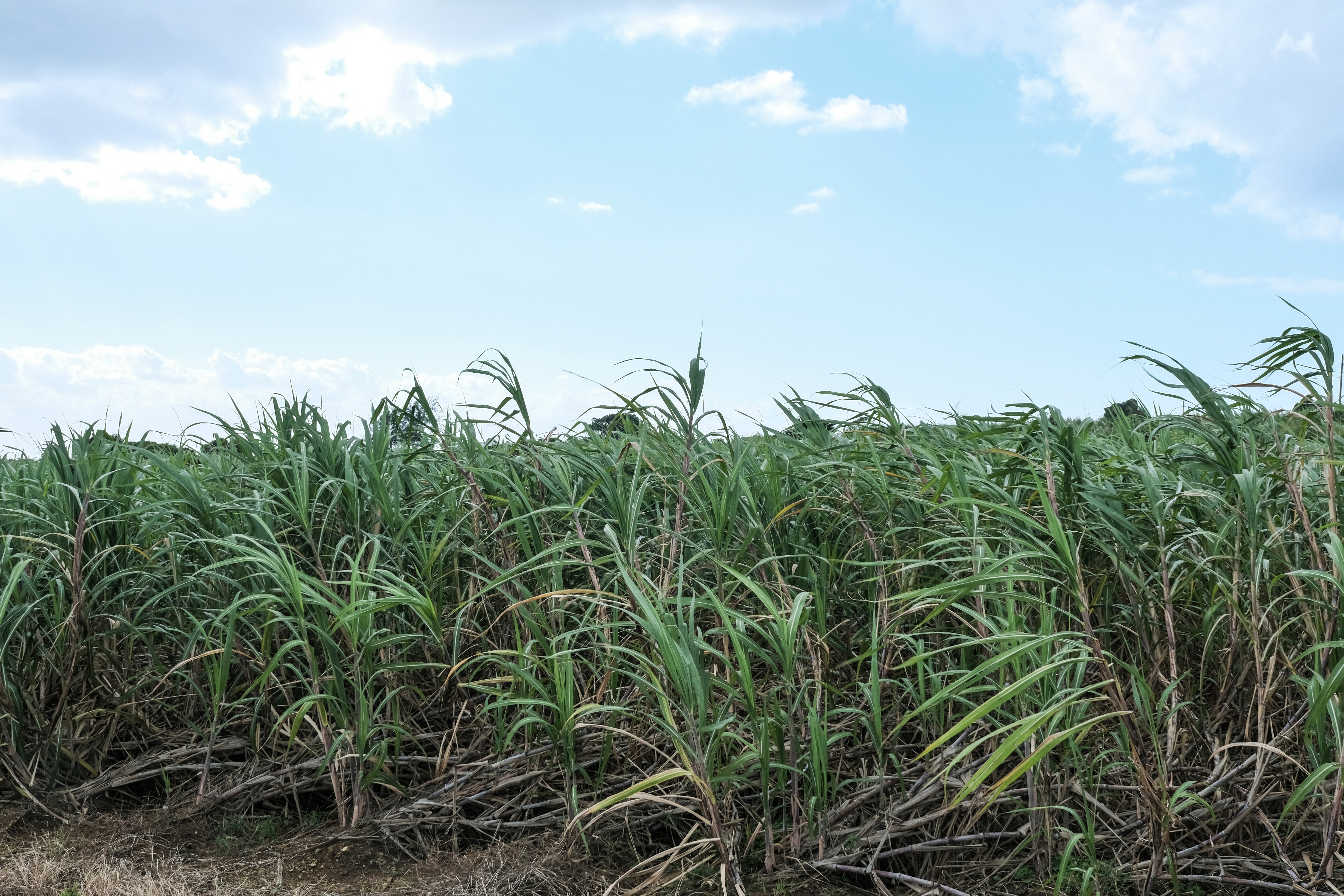
The satōsei, or sugar system, was an extractive regime designed to maximize domain revenue. Satsuma established a monopoly on sugar production and trade in the Amami Islands—Amami Ōshima, Tokunoshima, Kikaijima, and the smaller islands of the chain. Farmers were prohibited from growing rice for their own consumption on land suitable for sugarcane. They were required to sell their entire sugar harvest to domain agents at administered prices far below market rates. The domain then transported the sugar to Osaka, where it sold at substantial markups.
This was not a market relationship. Farmers had no choice about what to grow, no ability to seek better prices, no legal means to leave the land. The system was enforced by domain officials stationed throughout the islands, backed by the threat of punishment for those who failed to meet their quotas or attempted to sell sugar outside official channels.
Coerced Cultivation
The human cost of the sugar system was severe. Island families were assigned production quotas based on the assessed capacity of their landholdings. Meeting these quotas required exhausting labor: clearing land, planting cane, weeding through the growing season, harvesting by hand, transporting the heavy stalks to processing facilities, and operating the mills that extracted juice from the cane. The work was relentless, governed by the agricultural calendar and the demands of domain administrators.
Farmers who failed to meet their quotas faced punishment and accumulated debts to the domain that could bind families across generations. The prohibition on rice cultivation meant that islanders often could not grow enough food for their own needs; they were forced to purchase rice from the domain at inflated prices, creating debt cycles that tightened the coercive grip of the system. Contemporary accounts describe widespread poverty, malnutrition, and the desperation of families trapped in circumstances they could not escape.
Movement off the islands was restricted. Farmers could not leave to seek better opportunities elsewhere. They were tied to the land and to the sugar crop in a condition that, while not legally defined as slavery, shared many of its characteristics: coerced labor, restricted movement, hereditary obligation, and the extraction of surplus by a distant authority.
Domain Profits and Modernization
For Satsuma, the sugar system was immensely profitable. The revenues from Amami sugar—combined with income from the broader Ryukyu trade—provided resources that far exceeded what the domain could have extracted through ordinary agricultural taxation. This wealth funded Satsuma's distinctive path through the late Tokugawa period: investment in Western military technology, construction of reverberatory furnaces for cannon production, and the development of a modern navy.
When Satsuma emerged as one of the leading domains in the movement to overthrow the Tokugawa shogunate, it did so in part because sugar money had underwritten its military modernization. The Meiji Restoration of 1868, which transformed Japan from a decentralized feudal polity into a centralized nation-state, was led by samurai from Satsuma and Chōshū—and Satsuma's capacity to challenge the shogunate rested on foundations built from the coerced labor of island farmers.
Integration and Aftermath
The Meiji government's abolition of the domain system in 1871 ended Satsuma's formal monopoly, but the transition was not immediate liberation. The Amami Islands were attached to Kagoshima Prefecture—an administrative arrangement that reflected their distinct history under Satsuma rule. Sugar cultivation continued, though now within a different economic framework. The patterns of landownership and agricultural practice established under the satōsei shaped island society for decades afterward.
The sugar system left lasting marks on Amami culture and memory. Oral traditions preserve accounts of the hardship endured under domain rule. The islands developed distinctive cultural practices—music, textiles, foodways—that reflected both their connection to the broader Ryukyu world and their particular experience under Satsuma administration. Today, Amami's famous kokutō shōchū—spirits distilled from brown sugar—connects contemporary craft to this difficult agricultural heritage.
Comparative Contexts
The Amami sugar system invites comparison with other coerced agricultural regimes. The Caribbean sugar plantations, worked by enslaved Africans, operated on a larger scale and with even more brutal conditions—but the underlying logic of forced cultivation for export commodity production was similar. Dutch-controlled Java's cultuurstelsel (cultivation system) imposed comparable requirements on Javanese farmers in the nineteenth century. Across the early modern world, sugar production was associated with coerced labor because the crop's labor demands and profitability made it a target for extractive systems.
Understanding Amami within this global context does not diminish the particular experiences of island farmers; it places their history within broader patterns of agricultural coercion that shaped the early modern world economy. The sweetness that flowed from these islands to markets in Osaka and beyond carried with it the labor of people who had no choice in the matter.